If you are a business owner, this might be good news.
Halfway through 2026, a few shifts have become clear. The 2026 social media trends worth paying attention to are moving away from content that feels generic, overly polished, or directionless.
People became less interested in:
→ content that sounds AI-generated
→ trend-hopping for the sake of trend-hopping
→ perfectly curated personal brands
→ posting more without a clear message
And are now paying more attention to:
→ perspective
→ trust
→ personality
→ recognizable thinking
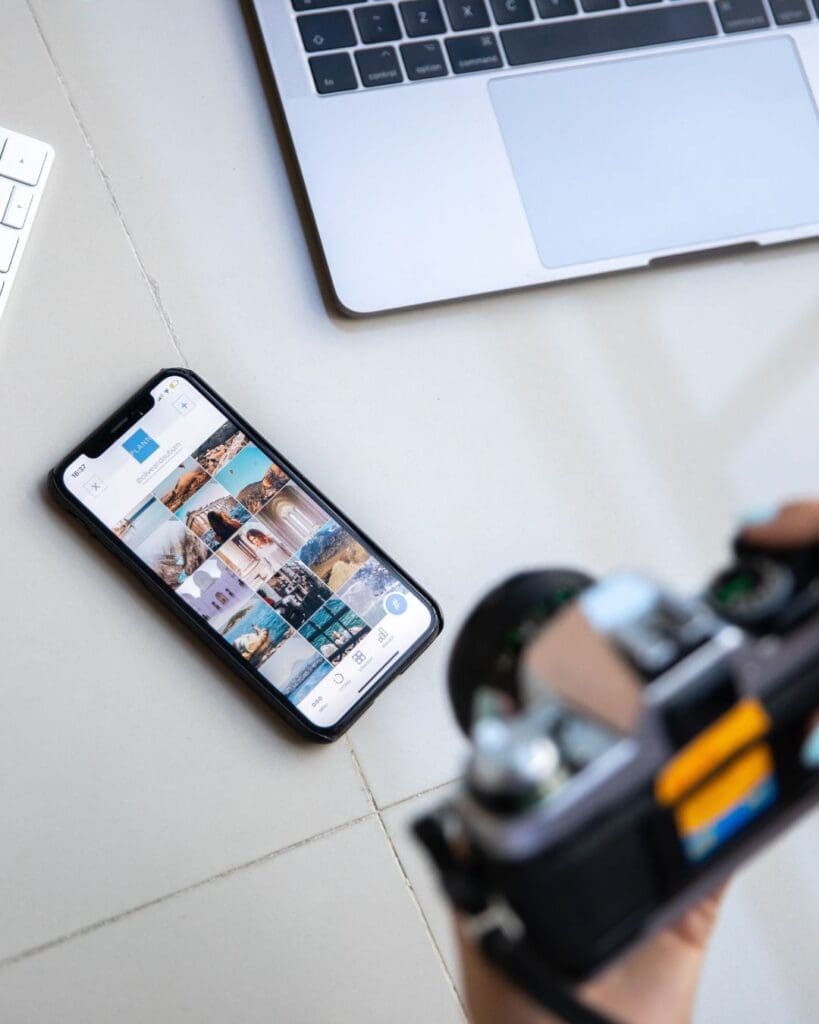
What the 2026 Social Media Trends Are Moving Away From
Trend-Hopping Without a Clear Purpose
Many brands spent the first few months jumping on every trending audio, meme, or format.
But views do not automatically turn into trust, inquiries, or sales.
Brands are becoming more selective and asking, “Does this trend actually make sense for our audience?”
A trend that gets 50,000 views but attracts the wrong people often performs worse than a niche post that reaches 500 potential customers.
AI-Generated Content Without Human Perspective
Everyone discovered AI.
Feeds quickly filled with generic tips, recycled advice, and posts that sounded identical.
Audiences have become more skeptical of content that feels overly curated or performative.
The accounts growing fastest are usually the ones adding opinions, stories, observations, and real-world examples.
Overly Polished Personal Brands
Social media became saturated with perfect headshots, morning routines, and business lessons.
Therefore, audiences have become more skeptical of content that feels overly curated or performative.
Many creators are seeing stronger engagement from:
— behind-the-scenes content
— work in progress updates
— honest reflections
— everyday observations
Posting More as the Solution to Everything
You’ve seen this advice everywhere.
Post more.
Post daily.
Post three times daily.
Post everywhere.
It worked until many brands discovered they were producing more content but generating the same outcomes.
The conversations online is shifting toward stronger messaging, better positioning, and clearer offers.
Optimizing the Hook but Neglecting the Content
Everyone became obsessed with writing stronger hooks, which helped at first.
But people have become better at spotting click-baits:
→ manufactured curiosity
→ fake controversy
→ exaggerated promises
Strong content now needs both:
— a good opening
— content body worth watching or reading
Building an Audience Only on Rented Platforms
Algorithm changes continued.
Reach fluctuated.
Platforms changed priorities.
Brands learned that followers are helpful, but owned audiences are safer.
More creators and businesses are investing in:
→ newsletters
→ email lists
→ communities
→ websites
Because they don’t want all of their visibility dependent on a single platform.
What the 2026 Social Media Trends Are Moving Away From
Taken together, these 2026 social media trends show that audiences are becoming more selective about what deserves their attention.
The biggest shift so far isn’t a new feature or algorithm update.
The biggest 2026 social media trend is not a new feature or algorithm update. People are becoming less interested in content alone and more interested in who is behind it, what they believe, and whether they can be trusted.